


The Federal Reserve, a venerable institution built on the bedrock of economic stability, found itself in 2025 resembling a fractured mirror, each shard reflecting a different economic reality. As the year closed, the echoes of internal dissent suggested that the fractured landscape would persist well into 2026, a stark reminder that even central bankers can't always agree on the path forward.
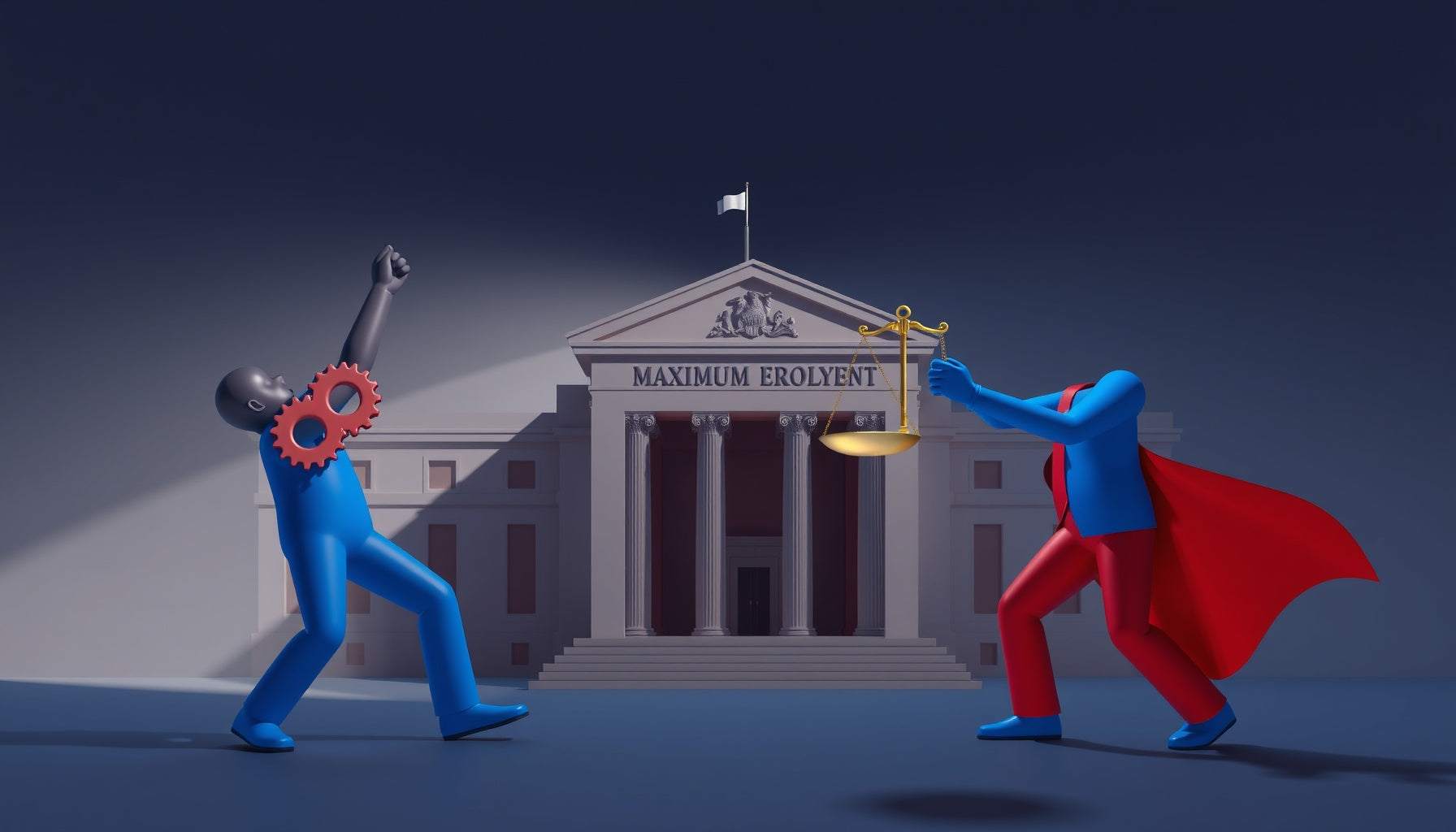
The core of the Fed's dilemma in 2025 was the age-old tug-of-war between its dual mandates: maximum employment and stable prices. This wasn't a new conflict, but the intensity and the accompanying internal divisions felt reminiscent of the stagflationary 1970s. President Trump's aggressive tariff policies and subsequent economic maneuvers added a layer of unpredictability, forcing the Fed into a prolonged holding pattern. Officials grappled with the inflationary impact of tariffs, while simultaneously observing a cooling labor market, a scenario that generated dissents from both hawks and doves on the Federal Open Market Committee (FOMC). (N) The Supreme Court's impending review of Fed Governor Lisa Cook's alleged mortgage fraud case further complicated the picture, casting a shadow over the Fed's institutional independence.
The year's monetary policy was a series of cautious, almost hesitant, rate cuts. Fed Chair Jerome Powell managed to forge a fragile consensus for three cuts in 2025, but the cracks were evident. By December, dissent was open: some governors argued for holding rates steady due to inflation concerns, while others, like Stephen Miran, appointed to fill a vacancy, pushed for more aggressive easing. This internal discord, amplified by the disruption of official data due to a prolonged government shutdown, left the Fed navigating a fog of uncertainty. The resulting data gaps, particularly concerning inflation, led to skepticism about the accuracy of even the latest price increase reports.
Looking ahead to 2026, the Fed anticipates only one more rate cut, signaling a period of observation and assessment. While the labor market is cooling, it's not seen as an emergency. Inflation, though showing some signs of easing, remains above the 2% target, and forecasts suggest economic growth might pick up, partly due to fiscal tailwinds from tax legislation and a rebound from the shutdown-induced disruptions. However, the prospect of a new Fed chair, likely favored by the administration for lower rates, could exacerbate these divisions if inflation proves sticky. The specter of a central bank more closely tied to the administration than in recent memory looms large.
What matters:
- Persistent Divisions: Expect continued FOMC dissent as inflation and employment data diverge.
- Data Uncertainty: Government shutdown fallout clouds economic readings, complicating policy.
- Leadership Transition: A new Fed chair may face challenges building consensus amidst policy disagreements.
The Fed's fractured consensus in 2025 sets a precarious stage for 2026; will a new conductor bring harmony or further discord to the economic orchestra?
For informational purposes. Not investment advice.

Leave a comment
This site is protected by hCaptcha and the hCaptcha Privacy Policy and Terms of Service apply.